 Ohne Anstehen buchbar
 Sehenswertes in der Maurenburg von Sintra
Ein detaillierter Rundgang über die Wehrmauer, zum Königsturm, zur Zisterne, zur Kapelle São Pedro de Canaferrim und zum archäologischen Dorf innerhalb der Festungsmauern.
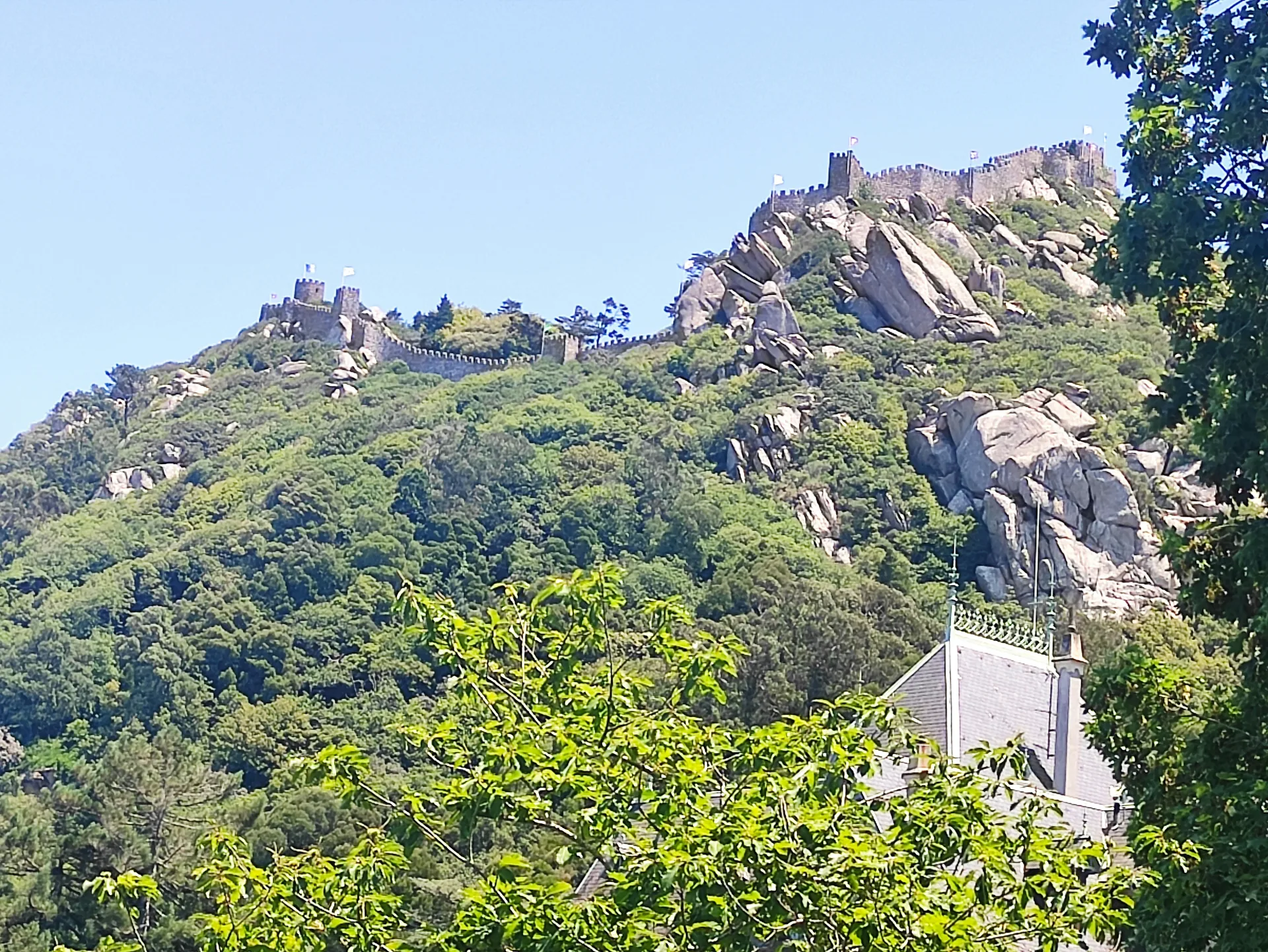
Das Castelo dos Mouros wirkt von der Straße aus täuschend einfach – eine steinerne Zinnenreihe oberhalb von Sintra –, doch innerhalb der Mauern erwarten Sie fünf verschiedene Sehenswürdigkeiten aus unterschiedlichen Jahrhunderten, und Besucher, die ohne Plan anreisen, übersehen oft zwei davon. Die Anlage ist kein Gebäude mit vorgegebener Besuchsroute, sondern ein archäologisches Freilichtdenkmal, das sich über beide Gipfel des Serra-Bergrückens erstreckt, verbunden durch eine 450 Meter lange Wehrmauer als Rückgrat. Dieser Rundgang führt Sie in der empfohlenen Reihenfolge durch die fünf wichtigsten Sehenswürdigkeiten: den Wehrgang auf der Zinnenanlage selbst, den Königsturm am höchsten Punkt, die mittelalterliche christliche Kapelle São Pedro de Canaferrim, die in den Fels gehauene maurische Zisterne und die archäologische Zone mit den Fundamenten des mittelalterlichen Dorfs. Ein kurzer Abschnitt am Ende behandelt das kleine Interpretationszentrum nahe dem Eingang, das die meisten Besucher auslassen – was sie vermutlich nicht sollten.
Der 450 Meter lange Wehrgang
Das prägende Element der Maurenburg ist ihre Ringmauer: ein 450 Meter langer Perimeter restaurierter Steinzinnen, der sich entlang der beiden Granitkuppen der oberen Serra de Sintra schlängelt. Die Mauer, wie Sie sie heute sehen, ist ein Schichtdenkmal – die untersten Steinlagen sind in einigen Abschnitten nachweislich aus der Zeit vor der Reconquista aus dem 9. bis 10. Jahrhundert, der Großteil der aufgehenden Substanz stammt aus dem 12. Jahrhundert nach der Eroberung mit spätmittelalterlichen Verstärkungen, und die Zinnen sowie wiederaufgebaute Abschnitte sind romantische Restaurierungen König Ferdinands II. aus den 1840er-Jahren. Der Rundgang verläuft praktisch als Einbahnweg, gegen den Uhrzeigersinn vom Haupteingang aus, und folgt der Mauerkrone mit der Brüstung zu Ihrer Außenseite und dem Burginnenraum, der zu Ihrer Innenseite abfällt.
Planen Sie 60 bis 90 Minuten für den vollständigen Rundgang inklusive Zwischenstopps ein. Die Mauer verläuft über den Sattel zwischen den beiden Felsen mit mehreren kurzen Treppen aus unebenem Granit und einem abschließenden steileren Aufstieg zum Torre Real am höchsten Punkt. Der Belag besteht teils aus modernem Pflaster, teils aus originalem Steinwerk und teils aus durch Besucherverkehr glatt poliertem Granit – festes Schuhwerk mit Profil ist unerlässlich. PSML-Beschilderungen warnen bei starkem Regen oder Wind vor dem Betreten der Wehrgänge; bei Unwetter kann der Mauerweg aus Sicherheitsgründen gesperrt werden. Die tiefer gelegenen Bereiche bleiben bei Wetterschließungen zugänglich.
Der Torre Real (Königsturm)
Der Torre Real, der Königsturm, erhebt sich am höchsten Punkt der Burganlage in der südwestlichen Ecke des oberen Felsens. Er ist der höchste der vier Türme entlang des Wehrgangs und wird über eine letzte kurze, steile Treppe vom Hauptmauerweg aus erreicht. Die kleine Aussichtsplattform an der Spitze bietet bequem Platz für etwa fünfzehn Besucher und ist der fotografische Höhepunkt des gesamten Besuchs: An klaren Tagen reicht das Panorama vom Atlantik im Westen mit dem am Horizont sichtbaren Cabo da Roca über die Tejo-Mündung und Lissabon im Südosten bis zum unmittelbar nördlich gelegenen Palácio Nacional de Sintra und der Stadt sowie zum Palácio da Pena auf dem benachbarten, weniger als einen Kilometer entfernten Gipfel.
Der Blick vom Torre Real auf den Palácio da Pena ist das meistfotografierte Motiv in ganz Sintra. Die Komposition funktioniert, weil die polychrome Fassade des Pena – gelber Turm, rote neomanuelinische Flügelbauten – grob nach Ostsüdost ausgerichtet ist und vom späten Vormittag bis zum frühen Nachmittag vollständig beleuchtet wird. Ab etwa 14:00 Uhr beginnt der Palast aus der Perspektive des Torre Real im Gegenlicht zu stehen. Die Turmplattform ist klein und zu Stoßzeiten (in der Hochsaison zwischen 11:00 und 14:00 Uhr) stark frequentiert; Stative sind unhandlich und werden vom Personal zu verkehrsreichen Zeiten informell nicht gern gesehen. Besucher, denen das Foto besonders wichtig ist, sollten direkt zur Öffnung den Wehrgang zum Torre Real begehen, bevor die Menschenströme des Bus 434 die Spitze erreichen.
Die Capela de São Pedro de Canaferrim
Innerhalb der Burgmauern, auf ebenem Pflaster unweit des Haupteingangs, steht die kleine romanische Capela de São Pedro de Canaferrim – die älteste erhaltene Kirche der Gemeinde Sintra und das greifbarste bauliche Zeugnis der christlichen Besiedlung nach 1147. Die in der zweiten Hälfte des 12. Jahrhunderts errichtete Kapelle diente als erste Pfarrkirche von Sintra nach der Reconquista, bis sich das Bevölkerungszentrum im Spätmittelalter hangabwärts verlagerte. Das Bauwerk besteht aus Kalkstein mit einem rundbogigen Portal, das von Säulen und verzierten Kapitellen getragen wird; archäologische Ausgrabungen ab 1979 förderten mittelalterliche Grabstätten in und um das Gebäude zutage, die an die Wende zum 13. Jahrhundert datiert werden.
Die Kapelle beherbergt heute ein kleines Interpretationszentrum mit Fundstücken aus den PSML-Grabungskampagnen der 2000er- und 2010er-Jahre, darunter Keramik aus islamischer Zeit, bauliche Fragmente und ein teilweise rekonstruiertes Silo. Der Weg vom Haupteingangstor zur Kapelle ist kurz und ebenerdig – die Kapelle gehört zu den wenigen Bereichen des Castelo dos Mouros, die für Besucher zugänglich sind, die den Aufstieg auf die Zinnen nicht bewältigen können, und stellt einen lohnenden Alternativbesuch für mobilitätseingeschränkte Begleiter in einer Gruppe dar. Das Fotografieren ist innerhalb der Kapelle gestattet. Die Kapelle dient in der Hochsaison oft als ruhiger Rückzugsort abseits der stark frequentierten Wehrgänge.
Die maurische Zisterne
Die Wasserversorgung der Burg im Belagerungsfall hing von einer großen, in den Fels gehauenen Zisterne unterhalb des oberen Felsens ab. Die Zisterne ist rechteckig, 18 Meter lang, 6 Meter breit und 6 Meter hoch, unmittelbar aus dem Granitfelsen gehauen und mit Mauerwerk ausgekleidet, um Regenwasser aufzunehmen, das über Rinnen von den umliegenden Dächern und Wehrgängen gesammelt wurde. Sie ist eines der wenigen Elemente innerhalb der Mauern, das nachweislich mittelalterlich und nicht Teil der Restaurierung des 19. Jahrhunderts ist, und vermittelt am deutlichsten, wie die Besatzung tatsächlich lebte: Eine Festung ohne eigene Quelle war vollständig auf Regenwasserspeicherung angewiesen, und die Kapazität der Zisterne bestimmte, wie lange die Burg einer Belagerung standhalten konnte.
Die Zisterne wird über eine kurze Treppe erreicht, die vom Mauerweg nahe dem Torre Real hinabführt. Der Innenraum ist dämmrig beleuchtet, das ganze Jahr über kühl (eine willkommene Erfrischung im Sommer, wenn die Wehrgänge darüber Hitze abstrahlen) und akustisch bemerkenswert – ein Klatschen oder leises Wort hallt gegen den blanken Granit wider. Der Raum ist ohne Ausstattung und kein langer Aufenthalt, doch er gehört zu den atmosphärischsten Punkten des gesamten Monuments und ist der einzige Ort, an dem man sich innerhalb authentisch maurischer Bausubstanz befindet. PSML bietet am Eingang zur Zisterne eine kleine Informationstafel, die ihre Funktion und die übergreifende Wasserbewirtschaftungsstrategie von Höhenfestungen in al-Andalus erläutert.
Das Archäologische Dorf und Interpretationszentrum
Innerhalb der Ringmauer, auf einer relativ ebenen Fläche zwischen den beiden Felskämmen, befindet sich die archäologische Zone: die freigelegten Fundamente eines kleinen mittelalterlichen christlichen Dorfes, das vom späten 12. bis zum 15. Jahrhundert den Burgbezirk bewohnte. Das Dorf wurde erstmals von den 30 Siedlern besiedelt, denen Afonso Henriques 1154 im Foral Privilegien gewährte. Auf seinem Höhepunkt beherbergte es vermutlich einige Dutzend Familien von Bauern, Hirten und eine kleine jüdische Gemeinde in einem Teil des Bezirks. Die heute sichtbaren Fundamente wurden von PSML und Partnerinstitutionen in archäologischen Kampagnen seit Ende der 1970er Jahre freigelegt, wobei umfangreiche Arbeiten bis in die 2000er und 2010er Jahre fortgesetzt wurden.
Das Interpretationszentrum nahe dem Eingangstor ist klein, aber lohnt durchaus zehn Minuten Aufenthalt. Es zeigt ausgewählte Fundstücke aus den Ausgrabungen – islamische und mittelalterlich-christliche Keramik, Baufragmente, den rekonstruierten Silo sowie Schautafeln, die die Schichtung der maurischen Phase des 9. Jahrhunderts, der christlichen Phase des 12. Jahrhunderts und der romantischen Phase des 19. Jahrhunderts erläutern. PSML stellt an den wichtigsten Punkten entlang der Route Informationstafeln auf Portugiesisch, Englisch und mehreren weiteren Sprachen bereit, doch nur im Zentrum sind die Fundstücke selbst zusammengetragen. Besucher, die einen geführten Audioguide erwarten, sind gelegentlich enttäuscht – die Vermittlung erfolgt hier über Schautafeln und ist selbstgeleitet. Wir bereiten Sie darauf in unserem fünfminütigen Concierge-Audioguide vor, den wir Ihnen mit Ihrer Buchung zusenden.
Häufig gestellte Fragen
Gibt es einen Audioguide für die Burg?
PSML bietet für die Maurische Burg keinen förmlichen Audioguide an, wie es bei einigen anderen Stätten der Fall ist. Die Vermittlung erfolgt über Schautafeln an den wichtigsten Punkten auf Portugiesisch, Englisch und mehreren weiteren Sprachen. Unser Concierge-Service sendet Ihnen zu jeder Buchung eine eigens verfasste fünfminütige Audio-Einführung, die die Ursprünge im 8. Jahrhundert, die Kapitulation von 1147 und die Restaurierung unter Ferdinand II. umfasst.
Wie lange dauert die Besichtigung?
Planen Sie 1,5 bis 2 Stunden vom Eingang bis zum Ausgang ein. Das umfasst den 5- bis 10-minütigen Weg vom Eingang bis zum Fuß der Wehrmauern, 60 bis 90 Minuten für den vollständigen Mauerrundgang einschließlich des Königsturms sowie einen Aufenthalt bei Kapelle und Zisterne, zuzüglich eines Zeitpuffers für das Interpretationszentrum. Besucher, die jede Schautafel lesen, können bis zu 2,5 Stunden benötigen.
Welcher ist der höchste Turm?
Der Königsturm (Torre Real) ist der höchste der vier Türme des Mauerrundgangs und erhebt sich an der südwestlichen Ecke des oberen Felskamms auf etwa 471 Meter über dem Meeresspiegel. Er ist der fotografische Höhepunkt des Besuchs und bietet den besten Aussichtspunkt für den Blick hinüber zu Pena Palace auf dem benachbarten Gipfel.
Kann ich die Zisterne von innen besichtigen?
Ja. Die Zisterne ist für Besucher zugänglich und über eine kurze Treppe vom Wehrgang in der Nähe des Torre Real zu erreichen. Der Innenraum ist kühl, gedämpft beleuchtet und akustisch beeindruckend. Sie gehört zu den wenigen Bereichen der Burg, deren Bausubstanz nachweislich mittelalterlich und nicht Teil der Restaurierung des 19. Jahrhunderts ist.
Ist die Kapelle noch geweiht?
Die Kapelle São Pedro de Canaferrim wird nicht mehr regelmäßig liturgisch genutzt, dient jedoch gelegentlich als Veranstaltungsort für Kulturveranstaltungen und Ausstellungen der PSML. Der Innenraum fungiert heute in erster Linie als kleines Interpretationszentrum, in dem Fundstücke aus den archäologischen Grabungen präsentiert werden. Fotografieren ist im Inneren gestattet.
Was haben Archäologen in der Burg gefunden?
Bei den seit Ende der 1970er-Jahre von PSML durchgeführten Grabungen wurden Keramiken aus islamischer Zeit aus dem 9. bis 10. Jahrhundert gefunden, die Fundamente des mittelalterlichen christlichen Dorfes innerhalb der Burgmauern, Silos zur Getreidespeicherung, mittelalterliche Grabstätten aus der Zeit um die Wende zum 13. Jahrhundert in und um die Kapelle São Pedro sowie ein teilweise rekonstruierter Silo, der im Interpretationszentrum ausgestellt ist.
Gibt es vier Türme, und kann ich alle besteigen?
Vier benannte Türme unterbrechen den Verlauf der Ringmauer. Der Torre Real ist der höchste und meistfotografierte. Die anderen drei sind kleinere Ecktürme entlang der Kurtine, alle vom Wehrgang über kurze Treppen zugänglich. Das Besteigen aller vier Türme verlängert den üblichen Rundgang um etwa 15 Minuten.
Ist das archäologische Dorf eingezäunt?
Die Fundamente sind von ausgewiesenen Wegen aus einsehbar, Besucher werden jedoch gebeten, die archäologischen Flächen selbst nicht zu betreten. PSML-Beschilderungen markieren den Wegverlauf. Die Stätte ist empfindlich – vieles von dem, was sichtbar ist, sind die untersten Steinlagen mittelalterlicher Wohnbauten – und die Wegführung schützt die Bausubstanz, während die Fundamente gut sichtbar bleiben.
Was ist die Door of Betrayal?
Die Porta da Traição (Tor des Verrats) ist eine kleine Pforte in der Ringmauer, die historisch genutzt wurde, um Verteidigern während Belagerungen ein ungesehenes Verlassen zu ermöglichen — für Boten, Versorgung oder Gegenangriffe. Der Name folgt der mittelalterlichen iberischen Konvention für Ausfallpforten. Sie ist auf dem Wehrgang sichtbar und durch PSML-Beschilderung gekennzeichnet.
Sollte ich das Interpretationszentrum vor oder nach den Wehranlagen besuchen?
Vorher. Das Zentrum ist klein, vermittelt aber die historischen Schichtungen — maurisch im 9. Jahrhundert, christlich im 12. Jahrhundert, romantisch im 19. Jahrhundert —, die den Wehrgang erst verständlich machen. Besucher, die das Zentrum auslassen und direkt zu den Wehranlagen gehen, verpassen häufig, was sie vor sich sehen. Zehn Minuten zu Beginn des Besuchs zahlen sich über die nächsten 90 Minuten aus.